History of the Hebrew Alphabet
Early Hebrew
The early Hebrew (Semitic) alphabet was used by many Semitic peoples of the ancient Near East, including the Canaanites, Moabites, Arameans, Phoenicians, Amonites and the Hebrews. This alphabet existed between the 20th and 12th centuries B.C. However, note that the 20th century date is based on the oldest inscriptions found thus far and it is possible that future discoveries may push the date of the Semitic alphabet back even farther into history. To date, the Wadi El-Hhol inscriptions found in southern Egypt are the oldest Semitic inscriptions found and date to between the 19th and 20th centuries B.C. The Sinaitic inscriptions from the Sinai Peninsula date to about the 15th century B.C.
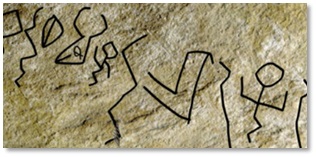
The Wadi El-Hhol inscription
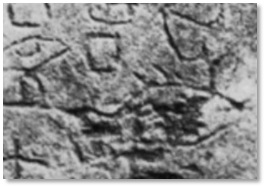
Ancient inscription from Serabit El-Khadim
Middle Hebrew
About the 12th Century B.C. the middle Semitic alphabet evolved out of the ancient Semitic alphabet. Like the more ancient alphabet, this middle alphabet was used by many ancient peoples of the Near East including the Hebrews. The Gezer calendar, the Ketef Hinnom Amulets and the Lachish inscription date to this time period.
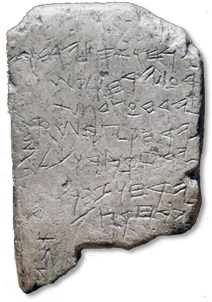
The Gezer Calendar
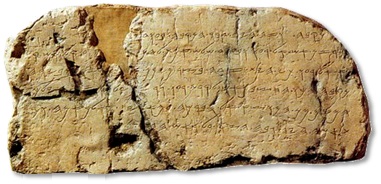
The Siloam Inscription
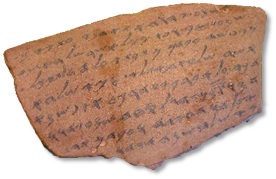
Lachish Ostracon
Late Hebrew
The late Semitic alphabet, which is the square Aramaic script, was in use between 4th century BC and into the early part of the modern era. The majority of the scrolls from the Dead Sea Caves is written in the late Semitic script and date to between the 2nd and 1st centuries B.C.
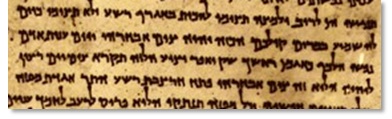
A portion of the Great Isaiah Scroll from the Dead Sea Caves
Modern Hebrew
Derived out of the later Hebrew alphabet is the Modern Hebrew alphabet, which began around the 11th Century A.D. The Masoretic Hebrew texts of the Bible, written in the 11th Century, used this script and have changed very little to the present day.
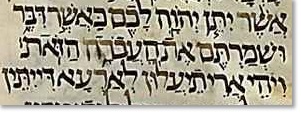
Text from an 11th Century Masoretic Hebrew Bible
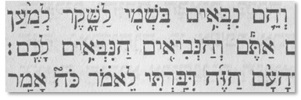
Text from a Modern Hebrew Bible